Skip to content
Closing soon? See the latest date to order each report.Free timeline →
Get a quote

Vapor Intrusion Testing for Commercial Buildings

Short answer

Vapor intrusion happens when chemical vapors move from contaminated soil or groundwater into a building. It is a key concern near dry cleaners, gas stations, and industrial sites. We test in stages, from soil gas and sub-slab vapor to indoor air, and follow Ecology's vapor intrusion guidance. TCE results get fast attention because Ecology sets short-term indoor air action levels for it.

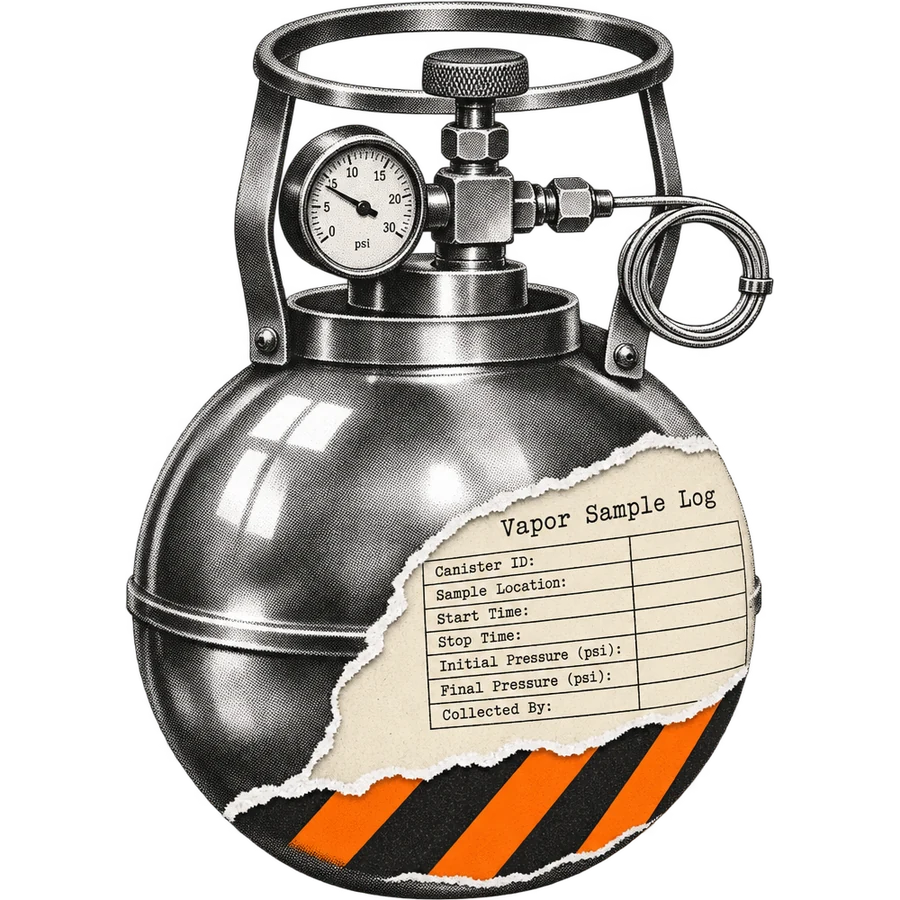
Vapor sampling canister set up inside a commercial building

What you get, and how it works

How it works

  1. Screen

    We compare existing data to Ecology screening levels.

  2. Sub-slab

    We sample vapor below the slab.

  3. Indoor air

    We sample indoor air if sub-slab results are high.

  4. Act

    We recommend no action, monitoring, or mitigation.

What is included

  • ScreeningWe review site data and nearby cleanup sites to decide if vapor is a concern.
  • Sub-slab vapor pointsWe drill small holes through the slab and install sealed sampling points.
  • Indoor and outdoor air samplesWe collect air samples in canisters over a set period, with an outdoor background sample.
  • Building reviewWe look at HVAC, slab condition, sumps, and utility openings that let vapor in.
  • Mitigation designIf needed, we design sub-slab depressurization or other mitigation systems.

Who vapor testing is for

  • Buyers and lenders when a Phase I finds a possible vapor concern
  • Landlords of strip centers with a current or former dry cleaner
  • Owners of buildings near gas stations or industrial cleanup sites

How we work

We test in stages so you pay only for what the data calls for. First we screen existing data. Then we sample vapor below the slab. If those results are high, we sample indoor air and review the building. We follow Ecology’s vapor intrusion guidance, publication 09-09-047, revised March 2022.

Next step

See our dry cleaner and laundromat page for common sources, or call Kee Enviro at 206-914-4989.

Vapor Intrusion Assessment: FAQ

Which buildings need vapor testing?

Buildings on or near sites with chlorinated solvents or petroleum. Common examples are strip centers with a dry cleaner, buildings next to gas stations, and former industrial buildings.

Can a neighbor's contamination affect my building?

Yes. A contaminated groundwater plume can spread from a nearby site to below your building, and vapor can rise from it. A Phase I reviews government records for nearby cleanup sites.

What happens if TCE is found in indoor air?

Ecology's guidance has short-term TCE action levels for indoor air. Above those levels, the response can include fast stopgap steps to reduce exposure, such as sealing openings or more ventilation, while a permanent system is designed.

How is vapor intrusion fixed?

A common fix is a sub-slab depressurization system. A fan makes lower pressure below the slab so soil vapor does not flow into the building. Sealing openings, physical barriers, and more ventilation are other options in Ecology's guidance.

Guides

Vapor Intrusion in Washington: What Buyers and Lenders Should Know →

Related services

Tell us about your property.